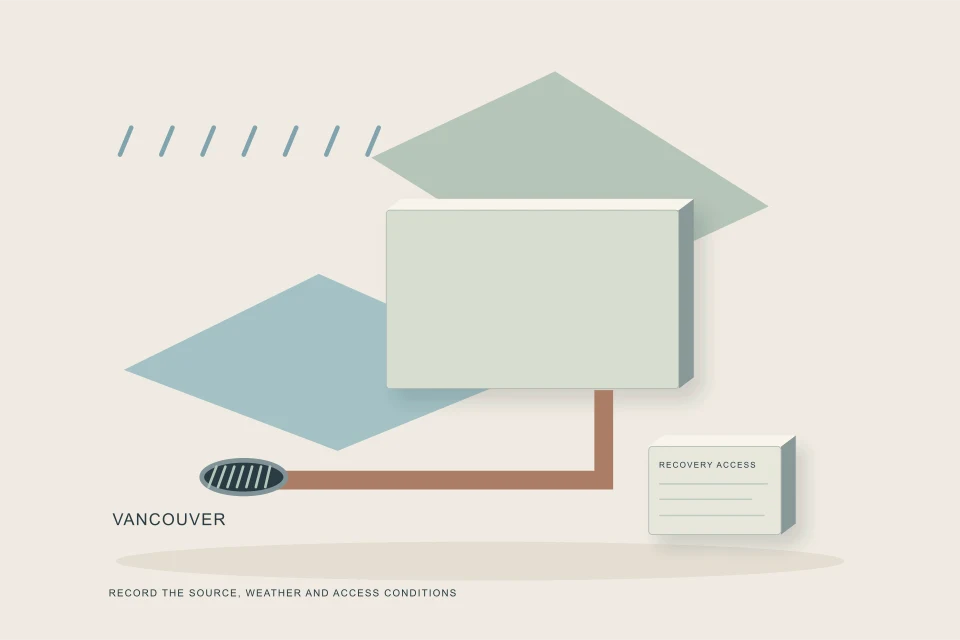
In Vancouver, an overflowing basement toilet, floor drain, tub or sink can be reported to 3-1-1 or handled by a plumber. Only the property owner can ask for a City sewer crew, and the City decides charges by what caused the blockage, not where it was. If no cause is found, the owner is assumed responsible. Cleanup of the home is the owner's job.
- Basement fixture overflows can go to 3-1-1 or a plumber; overflows on upper floors, sump overflows and sewer odour go to a plumber.
- Only a property owner can request a City crew, so tenants must go through their landlord.
- Someone with authority must sign a service agreement on site, or the crew will not start.
- Vancouver charges by the cause of a sewer blockage, not its location, and assumes owner responsibility when no cause is found.
- The City crew clears the blockage only; cleaning and drying the basement is up to the owner and their insurer.
01 /When should you call 3-1-1 and when a plumber in Vancouver?
The City of Vancouver publishes a guide that sorts water and sewage problems by who can help. For an overflowing toilet, floor drain, shower drain, tub or sink in the basement, both 3-1-1 and a plumber are listed. For the same overflow on a floor above the basement, only a plumber is listed, which points to a problem inside the building's own plumbing.
| Problem | 3-1-1 | Plumber |
|---|---|---|
| Basement toilet, floor drain, shower, tub or sink overflowing | Yes | Yes |
| Basement fixtures draining slowly or bubbling | Yes | Yes |
| Fixture overflowing on a floor above the basement | No | Yes |
| Stormwater sump overflowing | No | Yes |
| Water seeping through basement walls or foundation | No | Yes |
| Sewer odour inside the home | No | Yes |
The City notes that sewer line blockages and backups causing property damage can be emergencies. Stop using water in the building while you decide who to call, keep people away from the wet area, and stay clear of anything electrical. The general sequence is in the sewage emergency guide.
02 /Who can ask the City to send a sewer crew?
Only a property owner can ask Vancouver to send a crew; the City's page says a tenant cannot request service. That matters in a city with many rented suites and basement apartments. If you rent, call your landlord or property manager immediately and document what you see, then follow their lead on the call to 3-1-1.
- Owner calls 3-1-1
A City dispatcher then contacts the owner to schedule the service call.
- Mention your access point
The City asks you to tell the agent if you have a sump or a clean-out, the capped pipe that gives access to the sewer line.
- Prepare for toilet removal if needed
Without a clean-out, you may have to remove the basement toilet before the crew arrives. City crews will not remove or reinstall it.
- Have someone with authority on site
They must sign a service agreement that lets the crew work and binds the owner to pay if the blockage is the owner's responsibility. No work happens without it.
A removed toilet is one more contaminated fixture to clean and reset. Budget time for that, and ask your plumber whether adding an accessible clean-out is worthwhile once the emergency is over.
03 /How does Vancouver decide who pays for a sewer blockage?
Vancouver decides sewer charges by the cause of the blockage, not its location. The City's repair-costs page says the owner is responsible for what is discharged into the sewer lateral from the building to, and into, the City's main, and that if no cause can be found the blockage is assumed to come from something the homeowner put down the drain.
The City lists the most common causes of backups as personal products, paper towels, cat litter, baby wipes, tree roots, grease, misaligned joints, and a broken lateral or plugged main. The crew clears the blockage; it is not the crew's job on site to decide whether charges apply.
| When the crew attends | Example charge | Notes |
|---|---|---|
| Weekdays 7 am to 3:30 pm, 2 hours | $386.52 | Billed by length of call |
| Weekdays 3:30 pm to midnight, 2 hours | $391.12 | Billed by length of call |
| Weekdays midnight to 7 am | $537.79 minimum | Two-hour flat-rate minimum |
| Weekends and statutory holidays | $537.79 minimum | Two-hour flat-rate minimum |
04 /What cleanup is left once the City crew has cleared the line?
All of it. The City's crew is there to clear the blockage. Extraction, removal of soaked materials, disinfection, drying and repairs inside the home fall to the owner, usually through a restoration company and, where the policy includes it, sewer backup insurance.
- Confirm the line flows before any cleaning. Run a little water and watch the floor drain.
- Photograph the basement, the drain and every damaged item before anything moves.
- Call your insurer; the Insurance Bureau of Canada notes sewer backup cover is optional, not standard.
- Remove sewage-soaked carpet, underlay, the lower drywall and insulation, following public-health guidance.
- Clean, then disinfect, every hard surface that the water touched.
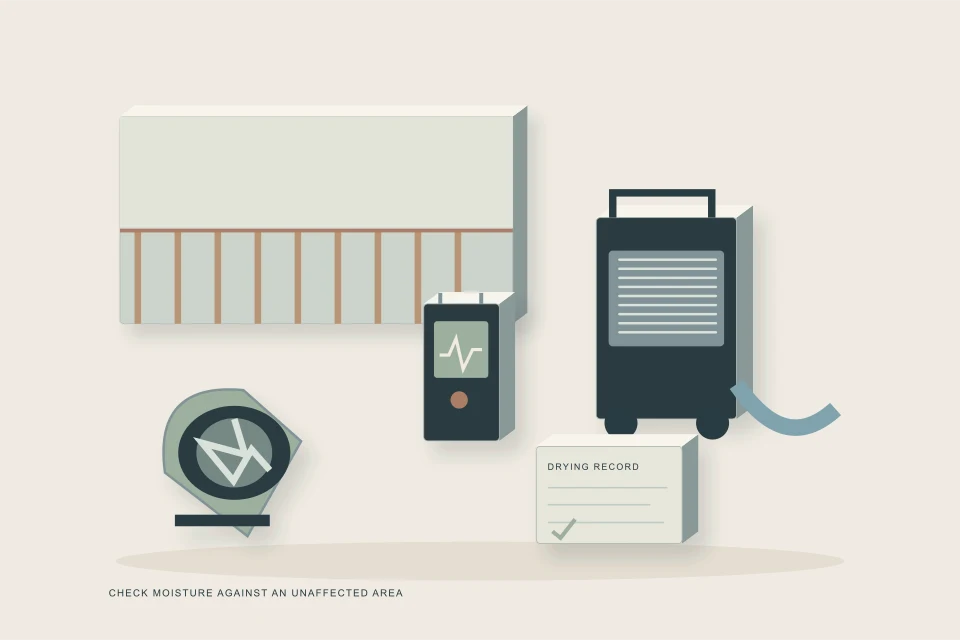
- Dry to normal moisture levels. Health Canada says materials dried within 48 hours are less likely to grow mould.
Coastal humidity makes the last step harder. Vancouver's damp autumns and winters mean opening windows often adds moisture rather than removing it, so dehumidifiers do more of the work than fresh air. The drying and mould guide explains how to judge when a basement is really dry.
05 /Are there backwater valve subsidies in Vancouver?
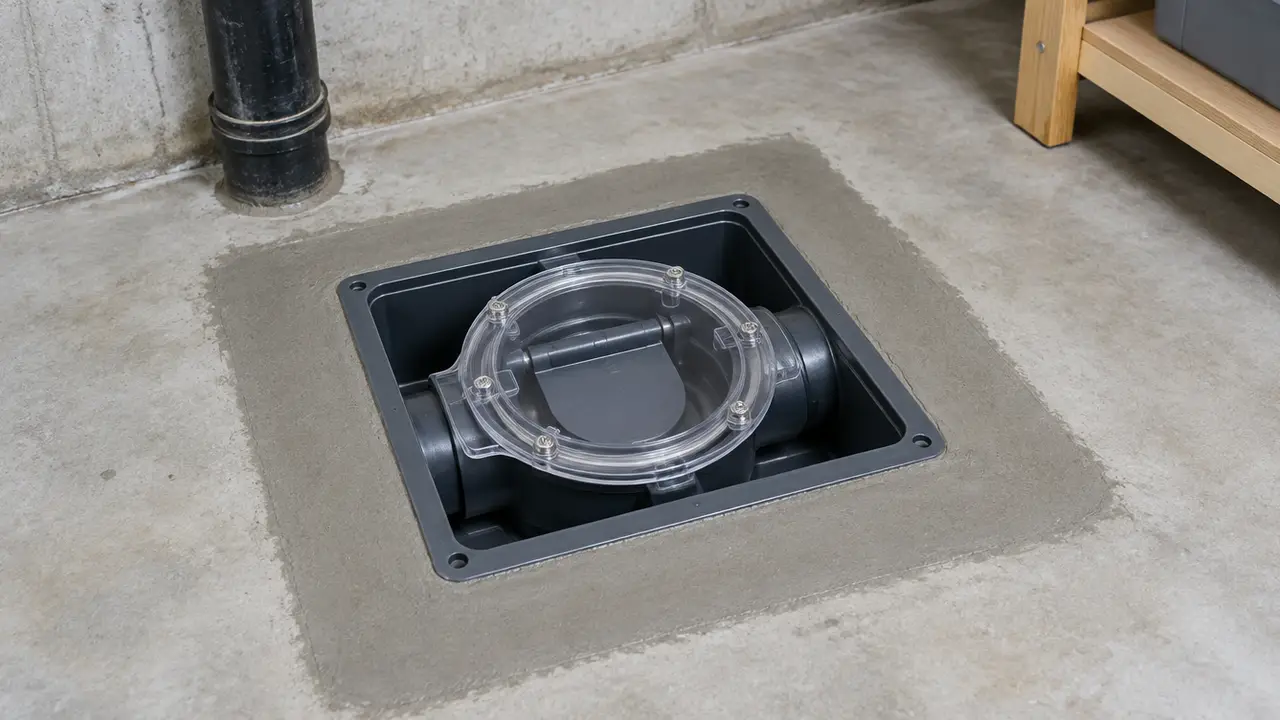
We did not find a City of Vancouver backwater valve subsidy on vancouver.ca as checked September 2026. Programs change, so ask 3-1-1 or search the City's site before assuming there is none. Some insurers offer their own incentives for backwater valves and sump pumps, according to the Insurance Bureau of Canada, so your broker is worth a call too.
Whether or not a subsidy exists, a backwater valve protects the basement only when it is maintained and when water use stops while it is closed. The cleanup-side view of valves, including what to check after a flood, is in backwater valves after a sewage backup.
06 /What about Burnaby, Richmond, Surrey and the North Shore?
The previous version of this page grouped Burnaby, Richmond, Surrey, Coquitlam, Delta, Langley and the North and West Vancouver communities under one Vancouver heading. Each is a separate municipality with its own sewer utility, service rules and fees, and the City of Vancouver's rules above do not apply there. Start with your own municipality's service line.
Strata buildings add another layer. In a strata, the common sewer pipes and the process for reporting a backup usually run through the strata council or property manager, and the strata's insurance may respond before your own. For costs, see the sewage cleanup cost guide; for other cities, the locations page. When you want cleanup quotes, you can send a request.
FAQQuestions people ask
Can a tenant call Vancouver 3-1-1 for a sewer backup?
A tenant can report it, but the City says only a property owner can request a crew. Contact your landlord right away and keep photos of the damage.
Will the Vancouver sewer crew remove my toilet?
No. If there is no clean-out or sump, the City says you may need to remove the basement toilet before the crew arrives, and crews will not remove or reinstall it.
Why was I charged when the blockage was near the street?
Vancouver charges based on what caused the blockage, not where it was. Items flushed from the house can lodge in the City's part of the line.
Does the City of Vancouver clean up my basement after a backup?
No. The crew clears the sewer blockage. Cleaning, drying and repairing the home are the owner's responsibility.
How long does a Vancouver City crew take to clear a sewer backup?
The City says crews need between two and two and a half hours on average. After-hours and weekend calls carry a two-hour flat-rate minimum if the owner is found responsible.
Do I have to sign something before the Vancouver crew works?
Yes. Someone with authority must sign a service agreement that allows the work and commits the owner to charges if the owner is responsible. No work is done without it.
NETWORKGo deeper across the HAUSE Sewer network
How to clean up after a sewer backup in the basement
How to clean a sewer backup in a basement: when to do it yourself, gear you need, removing soaked materials, cleaning, disinfecting, drying and rebuilding.
SewerQuotes.comWho pays for sewer repair: buyers, sellers, landlords, tenants and condo owners
Who pays for sewer repair in Canada: buyer vs seller, landlord vs tenant, condo corporation vs unit owner, and neighbours who share one sewer lateral.
SewerRoots.caSigns of roots in your sewer line
Signs of roots in your sewer line: gurgling, slow floor drains, seasonal backups and what a camera shows. Ten symptoms ranked, plus how to confirm roots fast.