After a sewage backup in Montréal, make the electrical system safe, pump water out gradually, and have vulnerable people leave during cleanup. The City advises disinfecting surfaces, removing drywall and insulation at least 50 cm above the water level, discarding absorbent items, and drying until completely dry. Call 311 to request a check of the City's sewer if you suspect it caused the backflow.
- Montréal's bylaw 11-010 requires backwater valves (clapets antiretour), and the City treats them as the key defence against sewer backups.
- The City's post-flood advice is to remove drywall and insulation at least 50 cm (20 in) above the level the water reached.
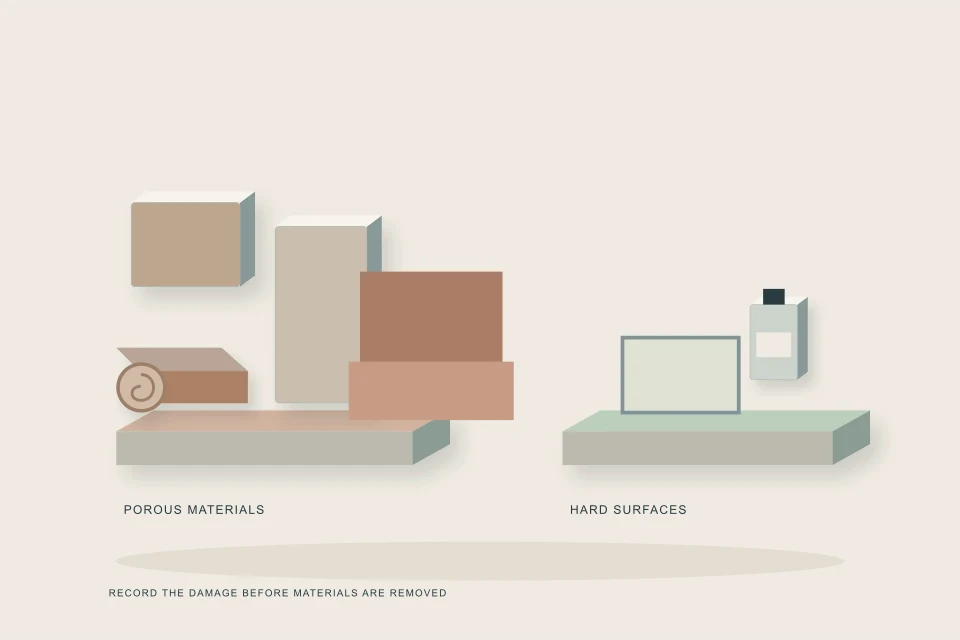
- Absorbent items such as carpets, mattresses and upholstered furniture are discarded, along with exposed food, medicines and cosmetics.
- Call 311 to ask for a verification of the City's water and sewer network if you suspect a public-side problem.
- RénoPlex was accepting applications and Quebec's Rénoclimat adaptation component was due to open October 1, 2026, as checked September 2026.
01 /What does Montréal tell residents to do after a flood or sewage backup?
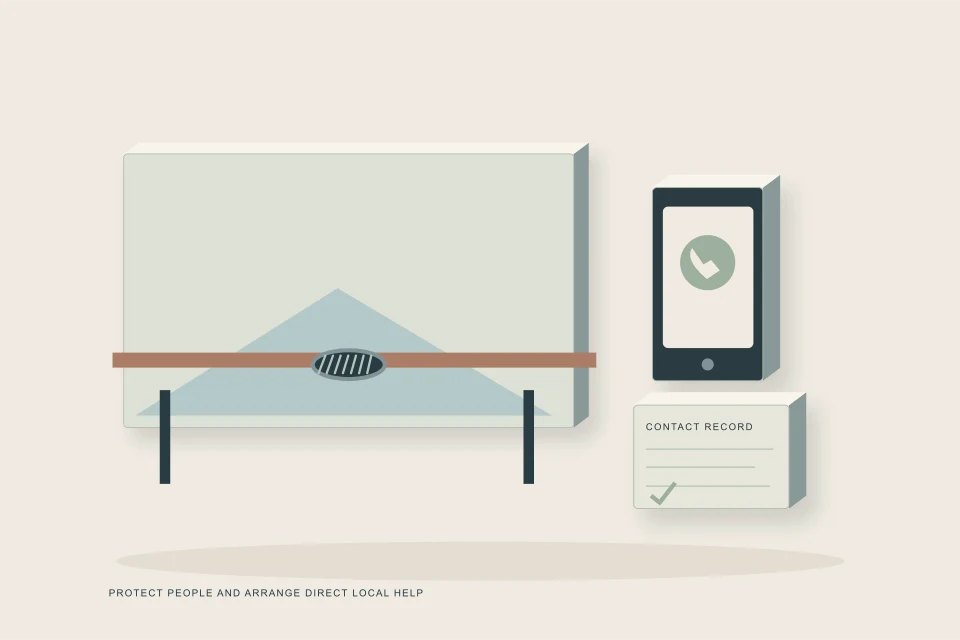
The Ville de Montréal's guide on what to do after a flood sets out a safety-first sequence, and most of it applies directly to a sewage backup in a basement. Enter in daylight, deal with electricity and gas before water, and take photos before cleanup.
- Stay away from live electricity
Do not enter a flooded room where appliances or cables may be live, and never touch a submerged electrical panel. The City recommends a licensed electrician inspect the installation.
- Check gas and heating
Have gas, propane or heating-oil equipment inspected by a qualified technician. The City names Énergir for interrupted natural gas service and Hydro-Québec for damaged wires.
- Pump water out gradually
The City warns that removing basement water too quickly can damage the foundation.
- Watch for structural warning signs
If walls or floors swell or warp, leave and get the building assessed.
- Protect vulnerable people
Older people, pregnant people and people with weakened immunity should leave the home during cleanup.
02 /How much drywall should you remove after sewage in a Montréal basement?
Montréal's post-flood advice is to remove drywall and insulation to at least 50 centimetres, about 20 inches, above the highest level the water reached. That is a more generous margin than some other guidance: CMHC suggests at least 30 cm above the flood line. With sewage, the larger margin is the safer choice, because water wicks upward inside the wall cavity and contamination travels with it.
| Item | City guidance | Sewage-specific note |
|---|---|---|
| Drywall and insulation | Remove at least 50 cm above the water level | Bag and remove; do not store in the house |
| Carpets, mattresses, upholstered furniture | Discard absorbent items | Photograph first for the insurer |
| Food, medications, toiletries, cosmetics | Remove anything exposed | Anything sewage touched cannot be salvaged |
| Hard surfaces | Disinfect surfaces exposed to contaminated water | Clean off residue first, then disinfect |
| Paint, oil and other hazardous products | Take to an écocentre | Keep them out of household garbage |
| The whole space | Ventilate and dehumidify until completely dry; this may take weeks | Measure moisture before closing walls |
The same materials logic, room by room, is in what to throw away after a sewage backup. For the cleaning steps themselves, see disinfecting after a sewage backup.
03 /When should you call 311 in Montréal?
Call 311 when you suspect the City's water or sewer network is involved. Montréal's post-flood page says you can request a verification of the City's system through 311 if you suspect a backflow from the sewer. The City also uses 311 for instructions on collecting flood debris you group near the street.
- Neighbours on the same street had sewage come up during the same storm.
- The backup happened during intense rain rather than when your own household was using water.
- Your own line has been cleared or inspected and shows no blockage.
- You need to know how bulky flood debris will be collected in your borough.
Record the date, time and rainfall in your own notes as well. If the problem turns out to be in your private connection, a plumber clears it; if it is the City's, the 311 record is part of your evidence. The general order of calls is in the sewage emergency guide.
04 /What does bylaw 11-010 require for backwater valves?
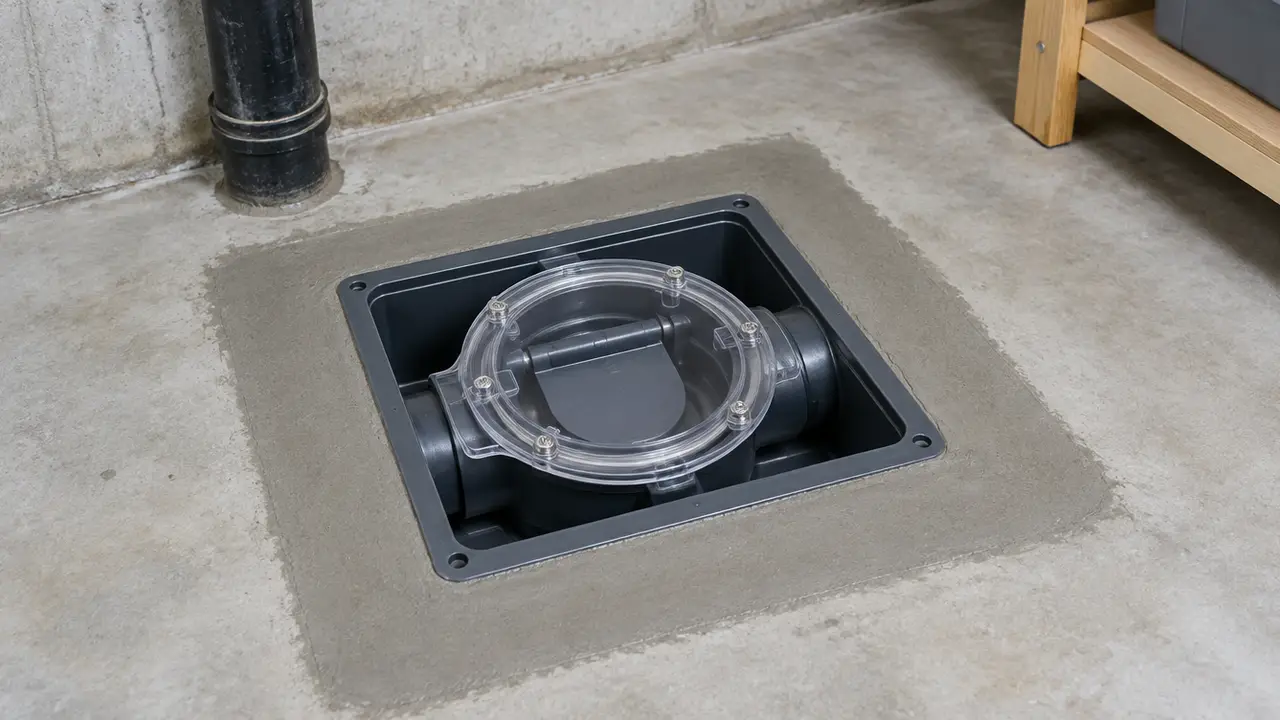
Montréal's bylaw 11-010 on protecting buildings against sewer backups makes backwater valves, or clapets antiretour, mandatory. The City's article on the subject says that since 2011 they must be installed in all new buildings, and its heavy-rain guidance says a valve is essential on floor drains and plumbing fixtures that could flood.
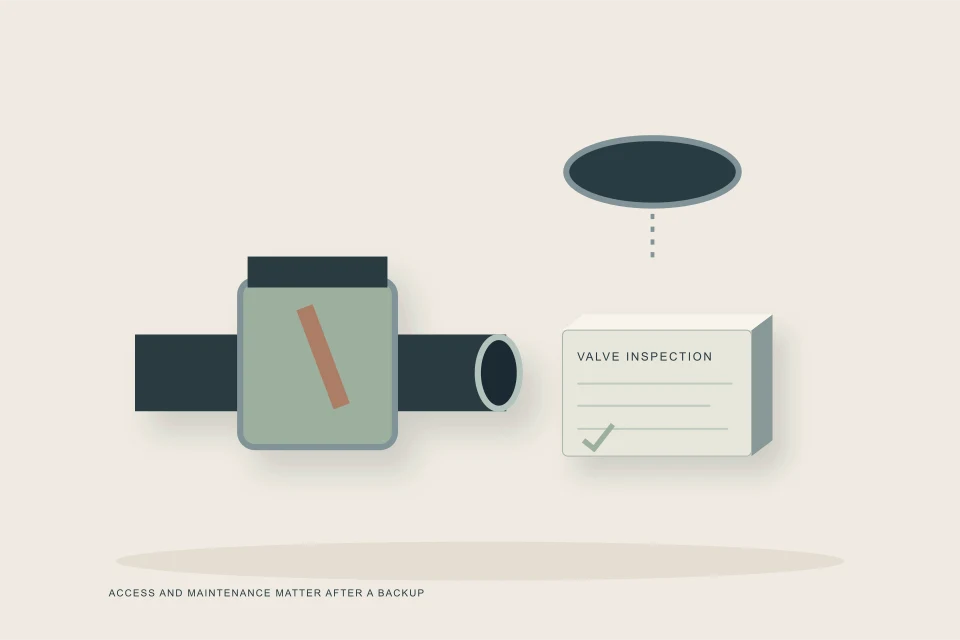
The City also lists why valves fail: incorrect installation, wear, damage from rodents, and access that has been blocked, for example by a finished floor. It recommends checking, ideally twice a year, that each valve works and is not obstructed.
For cleanup, the valve matters in two ways. A missing or failed valve is often why the basement flooded, and the flood itself can leave debris in the valve that stops it closing next time. Have it inspected and cleaned as part of the recovery. The cleanup-side checks are in backwater valves after a sewage backup. Insurers may also ask whether a valve was present and working, so keep any inspection record.
05 /What financial help exists for flood protection in Montréal?
Two programs were relevant as checked September 2026: the City's RénoPlex renovation subsidy, which includes flood-protection work, and the Government of Quebec's new Rénoclimat adaptation component. Neither pays for cleanup; both help pay for measures that reduce the chance of another one.
| Program | Who runs it | Relevant details |
|---|---|---|
| RénoPlex | Ville de Montréal | Buildings of 1 to 5 units; a flood-protection block; building value at or below $3,860/m²; minimum request $500 for that block; plan on 3 to 4 months for confirmation |
| Rénoclimat, adaptation component | Government of Quebec | Announced June 8, 2026 to open October 1, 2026; direct aid of $700 to $1,000 for simple work such as installing a backwater valve |
Montréal's post-flood page also points residents affected by a major flood to the Quebec Ministère de la Sécurité publique's compensation programs. Those apply to declared disasters, not to an ordinary sewer backup in one home.
06 /How should you document a Montréal sewage claim?
The City's advice mirrors what insurers ask for: photograph all damage, make a detailed inventory, send the evidence to your insurer and keep every receipt. Do this before discarding anything, and keep a small sample of carpet or flooring if your insurer asks for one.
The Insurance Bureau of Canada notes that sewer backup coverage is optional with most insurers, so check your policy for an endorsement and its limit before planning the rebuild. The documentation guide walks through inventories, and the sewage cleanup cost guide gives planning ranges. The old version of this page listed Laval, Longueuil and Brossard alongside Montréal boroughs; those are separate cities with their own rules. For other cities, see the locations page, or send a request for help with cleanup quotes.
FAQQuestions people ask
Are backwater valves mandatory in Montréal?
Yes. The City's bylaw 11-010 on protecting buildings against sewer backups requires them, and since 2011 they must be installed in all new buildings. Confirm what applies to your building with your borough.
How high should drywall be cut after a Montréal basement flood?
The City advises removing drywall and insulation at least 50 cm, about 20 inches, above the level the water reached.
Can Montréal 311 check whether the city sewer caused my backup?
Yes. The City says you can request a verification of its water and sewer network through 311 if you suspect a problem on the public side.
Does RénoPlex pay for cleaning up after a sewer backup?
No. RénoPlex subsidizes renovation and flood-protection work. Cleanup is normally paid by the owner or, where the policy includes it, by sewer backup insurance.
Is Montréal tap water safe to use after a basement flood?
The City's post-flood guidance says tap water remains drinkable unless you are notified otherwise. Private wells are different and need checking and disinfection under provincial procedures.
How often should a clapet antiretour be checked?
Montréal recommends checking, ideally twice a year, that the valve works and is not obstructed, and after any backup.
NETWORKGo deeper across the HAUSE Sewer network
How to clean up after a sewer backup in the basement
How to clean a sewer backup in a basement: when to do it yourself, gear you need, removing soaked materials, cleaning, disinfecting, drying and rebuilding.
SewerQuotes.comBackwater valve installation cost and municipal subsidies
Backwater valve installation cost in Canada for 2026: CAD ranges for unfinished and finished basements, line items, subsidy program patterns and insurance angles.
DrainAugering.caCan a drain snake damage your pipes? Where the real risks are
Can a drain snake damage pipes? How cables and cutters harm old clay, Orangeburg, cast iron, plastic traps, chrome fittings and toilets, and how to avoid it.