Sewage can carry bacteria, viruses and parasites that cause stomach illness, skin and wound infections and eye irritation. Exposure comes mainly through hands to the mouth, cuts and splashes. Sewer gas and later mould add further risks. Health Canada says children, pregnant women and people with respiratory problems should never handle sewage-contaminated water or materials.
- Hands, cuts and splashes are the main ways sewage makes people sick during cleanup.
- Children, pregnant people and anyone with respiratory problems should not handle sewage or sewage-soaked materials.
- Gloves, boots, eye protection and a suitable mask, plus strict hand washing, prevent most exposure.
- Mould is the delayed hazard: materials left wet past about 48 hours are likely to grow it.
- See a health professional for stomach illness, fever, or a cut that becomes red, swollen or painful after cleanup.
01 /Why is sewage dangerous to clean up?
Sewage is dangerous because it carries human waste and everything that goes down household drains. The City of Calgary's sewage backup page warns that contaminated water may contain harmful bacteria and pathogens. The germs found in sewage can include bacteria such as E. coli, viruses such as norovirus and hepatitis A, and parasites such as Giardia; what is present in any one backup is unknown, which is why every sewage spill is treated as infectious.
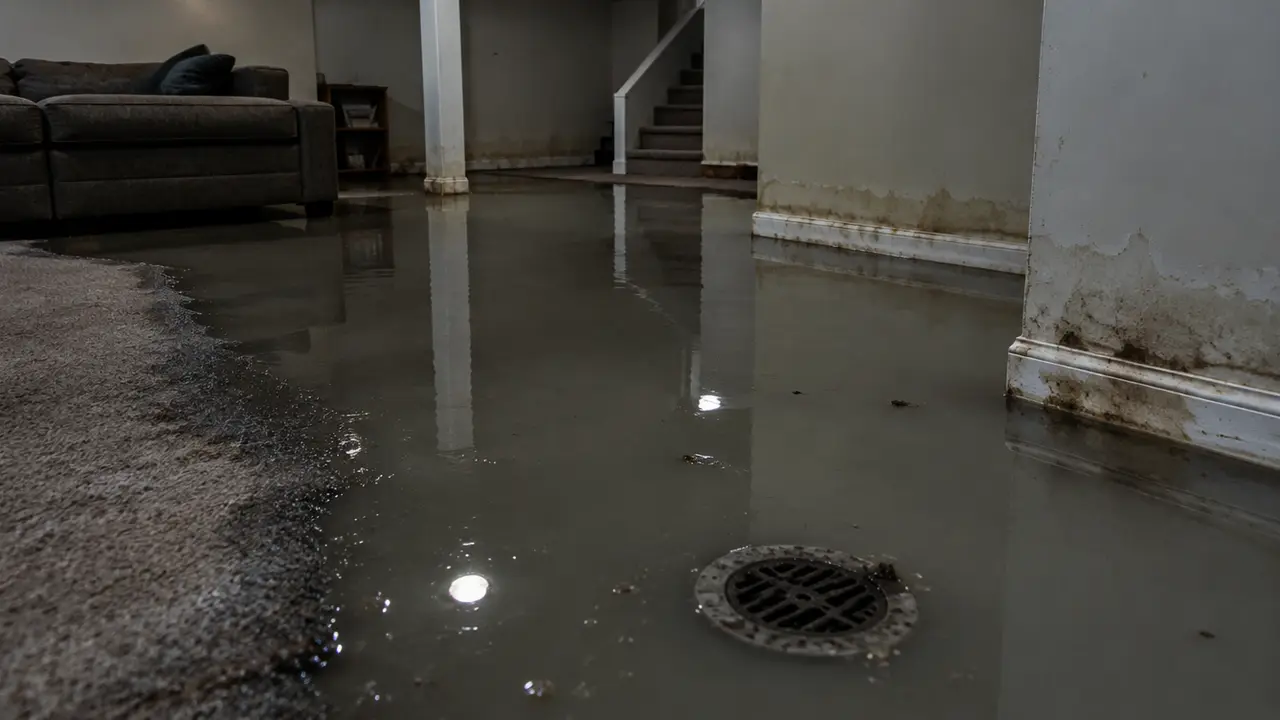
The risk is not only the liquid. Sludge left on floors, residue inside wall cavities and soaked materials keep carrying germs after the water drains. That is the reason public guidance treats sewage differently from a clean water leak: porous materials are removed rather than dried, and cleaning is followed by disinfection.
| Hazard | When it matters | Main protection |
|---|---|---|
| Germs in sewage | During cleanup and until surfaces are disinfected | Protective gear, hand washing, removal of porous materials |
| Sewer gas | While sewage is present and in poorly ventilated spaces | Ventilation, leaving if unwell, trained crews for confined spaces |
| Electrical shock | Any time water reaches outlets, cords or appliances | Stay out until power is made safe |
| Carbon monoxide | During drying if fuel-burning equipment is used indoors | Never run generators or fuel pumps inside; working CO alarm |
| Mould | From about 48 hours after wetting | Fast, measured drying |
| Sharp debris and lifting | During tear-out | Heavy gloves, eye protection, help with heavy items |
02 /How does sewage get into the body?
Sewage germs get into the body mostly by being swallowed, through breaks in the skin, and through the eyes. Knowing the routes makes the protective steps obvious.
- Hand to mouth: touching the face, eating, drinking or smoking with unwashed hands after handling anything wet. This is the most common route.
- Cuts and scrapes: existing cuts, or new ones from nails, broken drywall and debris during tear-out.
- Splashes to the eyes and mouth: from pumping, pressure washing, pulling up carpet or opening a drain.
- Contaminated clothing and footwear: carrying residue upstairs, into the car or into the laundry with other clothes.
- Breathing fine droplets: agitation, spraying and scrubbing can put droplets in the air, which is one reason a mask is recommended.
Pets are an easy route into the rest of the house. A dog or cat that walks through the basement carries residue on its paws and fur to couches, beds and children's hands, so keep the basement door closed and wash any pet that gets in.
Health Canada's flood cleanup guidance also notes that sewage-contaminated areas call for more rigorous disinfection and extra care to protect family members and pets, and tells households to contact their local public health department.
03 /Who should stay away from a sewage cleanup?
Health Canada is direct: children, pregnant women and people with respiratory problems should never handle water and materials contaminated by sewage. The City of Montréal's post-flood advice goes further for any flood cleanup, suggesting older people, pregnant people and people with weakened immunity leave the home while cleanup is under way.
| Group | Why at higher risk | Practical step |
|---|---|---|
| Young children | Hand-to-mouth habits, crawling, smaller body size | Keep upstairs or away from the home until disinfected and dry |
| Pregnant people | Some infections pose added risks in pregnancy | Do not handle sewage or soaked materials |
| Older adults | Infections can be more serious | Stay away from the work area |
| People with asthma or lung conditions | Irritation from odour, dust and later mould | Stay away during tear-out and drying |
| People with weakened immunity | Less able to fight infection | Consider staying elsewhere until work is complete |
| Pets | Walk through and lick contaminated surfaces | Keep out of the area; wash paws if exposed |
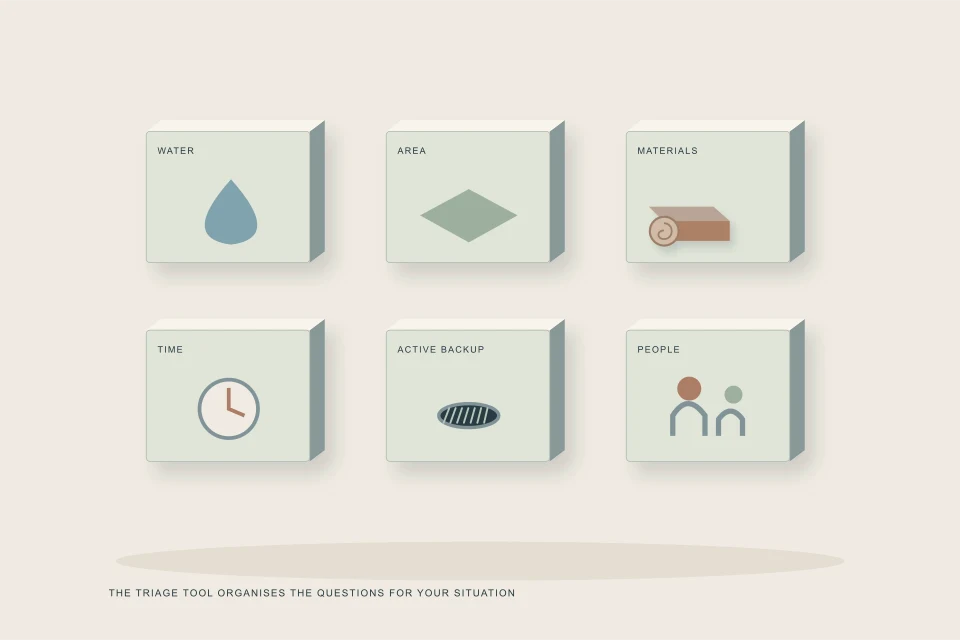
If someone in the home falls into one of these groups, the Sewage Cleanup Triage recommends a professional cleanup even for a modest spill.
04 /What about sewer gas?
Sewer gas is a mixture of gases produced as waste breaks down. It commonly includes hydrogen sulphide, which smells like rotten eggs at low levels but can deaden the sense of smell at high concentrations, so a fading odour is not proof of safety. In an ordinary ventilated basement after a backup, the smell is mostly unpleasant; in pits, crawl spaces, sumps and vaults, gases can build up to dangerous levels.
05 /What protection should you wear?
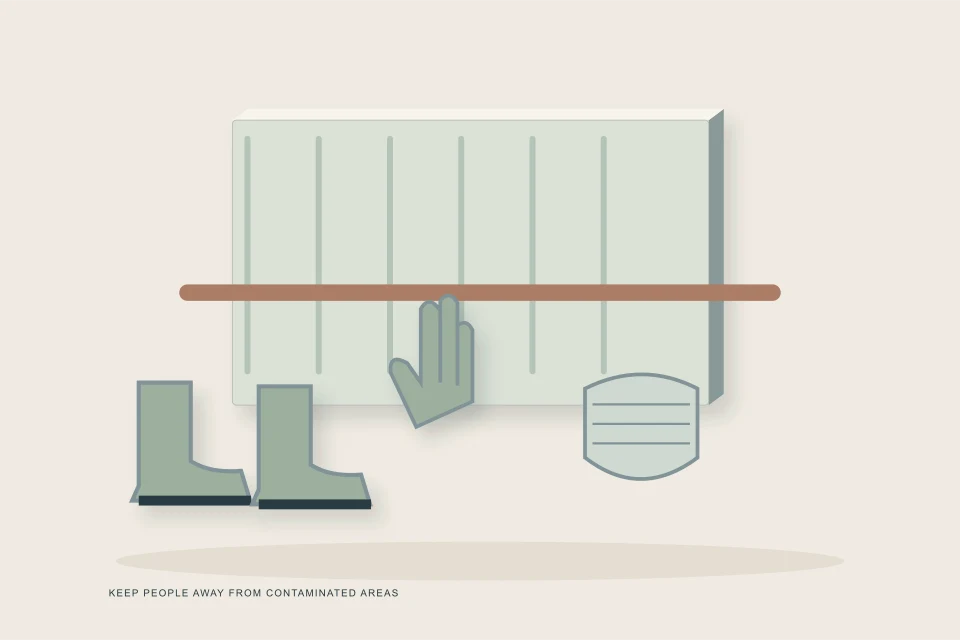
Wear protection that covers skin, eyes and mouth, and treat everything you wear as contaminated until washed. Health Canada lists disposable gloves, N95 masks and goggles as the basics to gather before cleanup; the City of Calgary lists rubber gloves, boots and a mask; and Toronto adds full-length clothing.
- Rubber boots, kept on the dirty side of a line you mark at the bottom of the stairs.
- Waterproof gloves, with heavier work gloves over them for tear-out.
- Goggles or safety glasses that seal against splashes.
- An N95 or better respirator, fitted properly.
- Long sleeves and long pants, or disposable coveralls.
- Waterproof bandages over any cuts before you start.
Wash hands thoroughly with soap and water every time you leave the area, before eating or touching your face. Wash work clothes separately in hot water. How to disinfect surfaces and tools is in disinfecting after a sewage backup.
06 /When should you see a doctor after sewage exposure?
See a health professional if you develop diarrhea, vomiting, stomach cramps or fever in the days after a cleanup, or if a cut becomes red, swollen, warm or painful. Tell them you were exposed to sewage. If you were cut during the work, it is sensible to ask whether your tetanus immunization is up to date.
Mould is the longer-term risk. Health Canada says homes and furnishings dried within 48 hours are less likely to grow mould, and advises that susceptible people, including children, seniors and people with asthma or severe allergies, stay out of rooms where mould is being cleaned. The drying and mould guide covers how to prevent it, and DIY versus professional cleanup helps you decide how much to take on yourself. For help lining up a professional, you can send a request.
FAQQuestions people ask
Can you get sick from the smell of sewage?
The odour itself is mostly an irritant in a ventilated basement, but it signals contamination. Headaches or nausea mean leave and ventilate. In enclosed spaces, sewer gases can be dangerous.
Is it safe to sleep in a house with a sewage backup in the basement?
Often yes, if sewage is confined to the basement, the door is kept closed, power is safe and no vulnerable people are exposed. Leave if the odour is strong or living areas are affected.
How long after sewage exposure could symptoms appear?
Stomach illness from sewage germs often appears within hours to a few days. Wound infections may take a few days. See a health professional if symptoms appear and mention the exposure.
Should I wash my hands with sanitizer or soap after touching sewage?
Soap and running water first, scrubbing for at least 20 seconds, because sanitizer works poorly on visibly dirty hands. Sanitizer can follow once hands are clean, when no sink is nearby.
Is sewage cleanup risky for a pregnant person?
Yes. Health Canada says pregnant women should never handle sewage-contaminated water or materials. Someone else, or a professional, should do the work.
Does a mask protect me from sewage germs?
A properly fitted N95 or better helps against droplets and dust but does not replace gloves, eye protection and hand washing, which block the more common routes.
NETWORKGo deeper across the HAUSE Sewer network
Is sewer backup dangerous? Health risks, what it smells like and what it looks like
Is sewer backup dangerous? How sewage can make you sick, what sewer backup smells and looks like, when the smell is harmful, and who should stay away.
PipeCleaning.caChemical drain cleaners: why they damage pipes and harm people
Chemical drain cleaners explained: how caustic, acid and bleach openers work, how they damage pipes, their burn and gas hazards, and what to do instead.
DrainAugering.caSnaking a drain from the roof vent: when it helps and when it does not
Can you snake a drain from the roof vent? When the vent stack is the right access, clearing a blocked or frost-closed vent, and the roof safety that comes first.